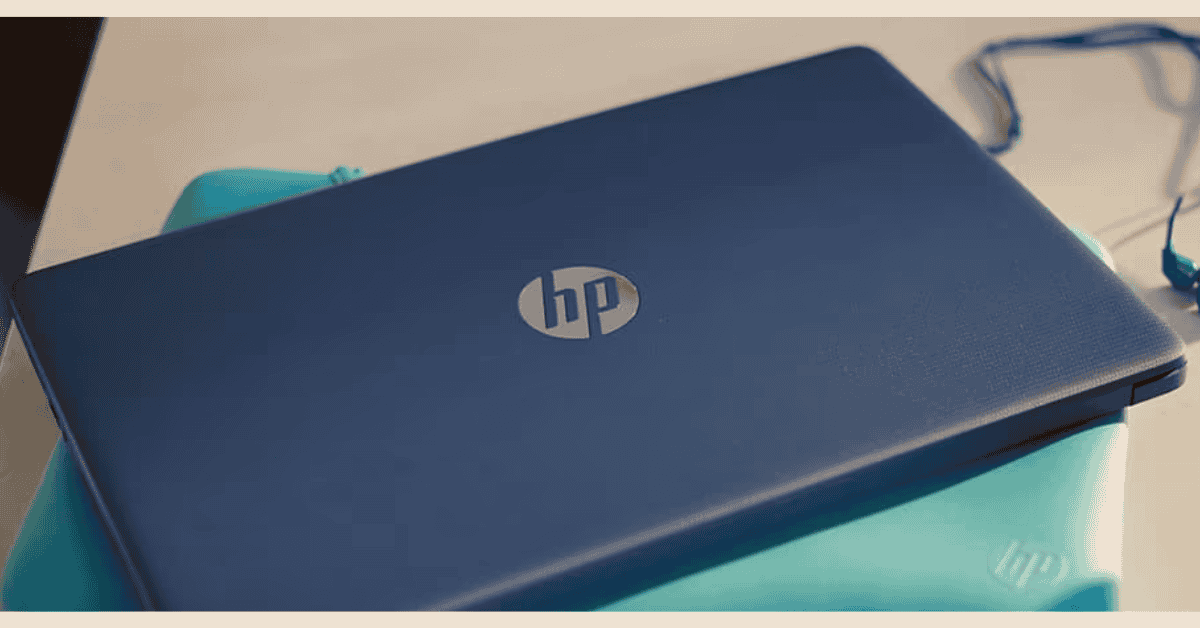
Few tech companies have influenced the world of computers, electronics, and personal technology as deeply as Hewlett-Packard (HP). What began inside a small garage in Palo Alto in 1939 grew into a global powerhouse that helped shape Silicon Valley, introduced groundbreaking innovations, and became a dominant name in the PC and laptop industry for decades.
In this in-depth guide, we’ll explore the complete history of HP Laptop company, from its modest start by Bill Hewlett and Dave Packard to its rise as a leader in computers, printers, laptops, and enterprise technology. Every section is crafted with clear, accurate insights based on real historical events to give you a true understanding of how HP became the tech giant it is today.
HP Laptop Company
HP is an American technology company known for its computers, laptops, printers, software services, and scientific instruments. Over its 80+ year history, HP has:
- Revolutionized computer engineering
- Built industry-changing calculators and printers
- Helped shape Silicon Valley’s ecosystem
- Created one of the world’s largest PC businesses
- Split into two modern companies: HP Inc. and Hewlett Packard Enterprise in 2015
Today, HP Inc. carries the legacy of the PC and laptop business, while HPE specializes in enterprise computing and IT services.
The Humble Beginnings: HP’s Garage Startup (1939)
The story of Hewlett-Packard (HP) officially began on January 1, 1939, when two Stanford graduates — William Hewlett and David Packard — launched a small electronics company in a rented one-car garage at 367 Addison Avenue in Palo Alto. Today, this modest garage is famously known as the “Birthplace of Silicon Valley,” symbolizing the origins of modern tech innovation.
Guided by Professor Frederick Terman
HP became the first major success shaped by Stanford professor Frederick Terman, often regarded as the “father of Silicon Valley.” Terman encouraged his students to build technology companies in the Palo Alto area, and his guidance played a crucial role in laying the foundation for what would become the Silicon Valley tech ecosystem.
Early Innovations
Long before HP entered the computer and laptop market, the company focused on creating electronic measuring instruments. Their first breakthrough product was the HP Model 200A audio oscillator, a low-cost but high-precision device used for sound testing — an innovation that helped establish HP’s reputation for quality engineering.
Their first major customer?
Walt Disney Studios, which purchased eight HP oscillators for the production of its groundbreaking film Fantasia (1940). This early partnership helped boost HP’s credibility in the electronics industry.
HP During World War II
When World War II began, HP shifted its focus to support military needs by designing and producing essential technologies, including:
- Counter-radar instruments
- Advanced artillery shell fuses
- Signal-testing devices for the U.S. Navy
These contributions were so significant that Dave Packard was granted a draft exemption to continue HP’s work, while Bill Hewlett served in the Army Signal Corps.
By the end of the war, HP had already established itself as a trusted manufacturer of high-quality electronic equipment, setting the stage for its future dominance in computers, laptops, printers, and enterprise technology.
HP’s Growth Into a Major Tech Company (1940s–1980s)
After World War II, Hewlett-Packard (HP) began expanding rapidly, shaping its reputation as a global technology leader.
Postwar Growth and Diversification
- 1947: HP incorporated
- 1951: Launched a high-speed frequency counter
- 1957: Went public to support new product development
- Expanded through acquisitions to strengthen its technology portfolio
Instrumentation Excellence
During the 1950s and 1960s, HP became known worldwide for its precision test equipment, frequency counters, and scientific instruments. A major achievement came in 1964, when the HP 5060A cesium-beam clock helped synchronize international atomic clocks with exceptional accuracy.
Calculator Innovation
HP revolutionized modern calculators with:
- 1968: First desktop scientific calculator
- 1972: HP-35, the first pocket-sized scientific calculator
- 1974: HP-65, the world’s first programmable calculator
These innovations made slide rules obsolete and changed technical computing forever.
Military and Government Contributions
Although HP didn’t produce weapons, its measurement tools were vital for developing military systems. Dave Packard’s leadership led to his appointment as U.S. Deputy Secretary of Defense (1969), where he oversaw projects like the early F-16 and A-10 programs.
Entering the Personal Computing Era (1980s–1990s)
Entering the Personal Computing Era (1980s–1990s)
As personal computers began reshaping the tech world, Hewlett-Packard (HP) entered the market early and helped influence its direction.
Early Computers
HP launched several important systems during this period:
- 1966: HP 2116A — the company’s first computer
- 1972: HP 3000 — a powerful minicomputer used for decades
- 1980: HP-85 — HP’s first desktop computer
- 1983: HP-150 — an advanced touch-screen PC ahead of its time
Although innovative, HP’s early PCs faced challenges due to IBM’s dominance in the personal computer market.
The LaserJet Breakthrough
A major turning point came in 1984 with the release of the HP LaserJet.
It quickly became one of the most successful printer lines in history and established HP as a global leader in office printing.
Workstations and Business Recovery
By the late 1980s, HP strengthened its position by:
- Acquiring Apollo Computer (1989), becoming the top workstation manufacturer
- Expanding its PC and printer portfolio
- Stabilizing business performance during Dave Packard’s brief return from retirement
The Compaq Merger: A Turning Point (2002)
In 2002, HP made one of the most significant decisions in its history by acquiring Compaq, a move aimed at strengthening its PC business, competing more effectively with Dell, and expanding global market share. The merger, championed by CEO Carly Fiorina, faced strong opposition from some board members and shareholders, including Walter Hewlett.
Although the integration was initially difficult and eventually led to Fiorina’s departure in 2005, the long-term outcome was dramatic, the merger helped HP become one of the world’s largest PC manufacturers.
Rise of HP as a Global Laptop Leader (2000s–2015)
Despite frequent leadership changes, HP emerged as a dominant force in the global PC and laptop market throughout the 2000s. By 2006, HP became the world’s largest PC manufacturer, and in 2007, it became the first tech company to surpass $100 billion in annual revenue. The company continued expanding its global R&D presence in countries like India, China, and Russia, and even ventured into smartphones with its 2010 acquisition of Palm.
However, this period also came with major challenges. HP faced increasing competition from Lenovo and Dell, declining global PC demand, the highly criticized Autonomy acquisition, and multiple CEO transitions. By 2014, the company was under significant pressure and required a major restructuring to remain competitive in the rapidly changing tech landscape.
The Birth of HP Inc. (2015 Split)
In 2015, the original Hewlett-Packard Company was divided into two independent entities. Hewlett Packard Enterprise (HPE) focuses on servers, networking, cloud computing, and IT services, while HP Inc. concentrates on laptops, personal computers, printers, and consumer hardware. Today, HP Inc. is the company behind the world’s popular HP laptops and other consumer devices.
Modern HP: Innovation in the 2020s
Today, HP Inc. remains one of the world’s leading PC and laptop manufacturers, known for combining performance, innovation, and style.
Leading Laptop Series
- HP Spectre: Premium ultrabooks
- HP Envy: Mid-range premium laptops
- HP Omen: High-performance gaming laptops
- HP Pavilion: Affordable, everyday laptops
- EliteBook & ProBook: Business-focused laptops
Recent Innovations
- AI-powered laptops (from 2024 onward)
- Sustainable materials for eco-friendly devices
- Lightweight, ultra-thin designs
- Hybrid work solutions for modern workflows
- Color-accurate displays for creators and professionals
HP continues to prioritize environmental responsibility while driving digital transformation across its products and services.
Final Words
HP’s journey from a small garage in Palo Alto to a global technology leader is one of the most remarkable stories in tech history. From helping shape Silicon Valley and pioneering groundbreaking products to leading the PC and laptop revolution, HP has consistently driven innovation.
Today, whether you’re a student, professional, gamer, or everyday user, HP’s laptops, PCs, and printers have likely played a role in shaping your technology experience.
FAQs
When was HP founded?
HP was founded on January 1, 1939.
Who founded HP?
HP was founded by William Hewlett and David Packard, Stanford engineering graduates.
Why is HP considered the start of Silicon Valley?
It was the first major tech company built from Stanford’s ecosystem under professor Frederick Terman, marking the beginning of Silicon Valley.
What was HP’s first successful product?
The Model 200A audio oscillator, used by Walt Disney for Fantasia.
Is HP still a top laptop brand today?
Yes. HP remains one of the leading laptop manufacturers worldwide.